

“Berlin will always flirt with chaos” says ambassador Emmanuel Rosier
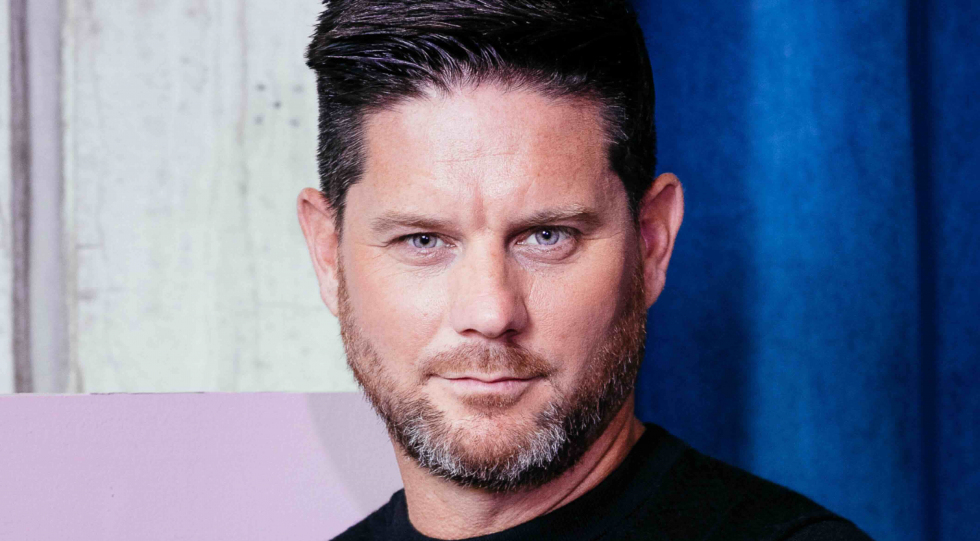

Berlin boasts five new Red Stars from our resident ambassador, French sommelier Emmanuel Rosier. And good news: German sparklings are on the rise in their own capital city! Here’s what else to expect.
Sommelier and wine consultant Emmanuel (‘Manu’) Rosier has lived in Berlin since 2015, reporting for Star Wine List from his adopted hometown since 2019. And yet it’s 2025, he says, which “feels like the year Berlin found its rhythm” in vinous terms.
“The wine scene has matured – less noise, more nuance. Light, vibrant reds like Blaufränkisch, Cabernet Franc and Schwarzriesling are everywhere, and thankfully, served at the right temperature now. Magnum? Even better.
“There’s also this quiet return to structure: wines that are farmed well, made honestly, and poured with purpose. Funk is still here – Berlin will always flirt with chaos – but now it’s controlled, articulate, clean. Think natural, but grown-up.
“Also, German sparkling is having a real moment. Finally!”
Advocating for German producers is important to Manu, who is currently “fully immersed in helping German wineries navigate change” through his consulting company, CCM3. “The goal is to support winemakers who feel the pressure of shifting markets, staffing shortages and rising costs – but who also know that ‘just making good wine’ isn’t enough anymore.”
He’s also busy running corporate tastings – and seeking out new places for Star Wine List’s Berlin guide, of course. When not at home, Manu spends a lot of time on Fuerteventura (he’s looking forward to visiting Gran Canaria, “just round the corner”), in Weinstadt, near Stuttgart (“for the wines I love – and the people I trust”) and in his native Beaujolais (“for friends, wine, and life – that's where my heart is and I still believe it to be the most underrated wine region in Europe”).
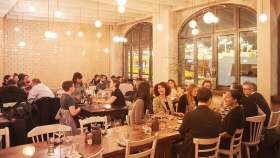
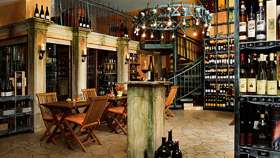
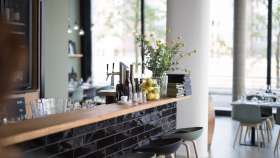
Manu’s new Red Stars
What's Berlin like over the summer and where do you hang out?
“Berlin’s summer has been slow until now – it was wet and cold, but summer is now back. Everyone breathes a little deeper, eats a little later, and ends up drinking something fresh on a pavement that turns into a party by accident. You should go to Tempelhof or Neukölln to understand what I am saying.
“I tend to stay in my neighbourhood during summer - Il Calice, Bottega Seppel and Grace. But places like Jaja and Pluto are spots where the wine is alive and the conversation unfiltered. It’s less about ‘where’ and more about ‘with whom’ – friends, growers, curious drinkers. That’s where I learn the most. Another spot that is ideal during summer is Hafenküche in Rummelsburg – a place made and found in heaven.”
How does that vibe alter going into autumn/winter?
“When the temperatures drop, Berlin doesn’t slow down – it just turns inward. Terraces may be empty, but the bar stools fill up. The conversations get longer, the pours get deeper, and people start asking for wines with layers – macerated whites, oxidative notes, mature Rieslings.
“It’s no longer about refreshment – it’s about comfort, complexity, and warmth. It’s a beautiful season for hospitality.”
What are the most noticeable trends across wine lists and service right now?
“More and more places are building concise, intelligent lists that reflect a real philosophy. It’s not about size or prestige – it’s about voice. You can feel when a list was written by someone who’s tasted, travelled, and thought deeply about what they’re pouring. (It is probably a Star Wine List effect!)
“Also, service has shifted: less formality, more clarity and generosity. It’s not about impressing anymore, it’s about connecting. I really admire that. For this, I love places like Matthias and Verōnika.”
Do you have any pet hates?
“Of course. Bad glassware, lazy temperatures, and wine lists that look like someone’s shopping receipt. And I’ll never understand restaurants that invest in the wines but not in the people serving them. If you don’t train your team, you’re just pouring labels.”
How has the food and wine scene in Berlin evolved over recent months or years?
“It’s more confident. People are done trying to be Paris or Copenhagen — we’ve found our own rhythm. Food and wine are having real conversations now. There’s better sourcing, stronger collaboration, and more humility. The Michelin-starred restaurants are having a tough time at the moment in the capital (and in Germany in general) but the gastro scene is resilient and full of great ideas and resources. We might have lost a couple of stars in Berlin, but new restaurants have gained their first. Berlin is more than ever the gastronomy capital of Germany.
“And what I love most is that Berlin still leaves space for the weird and the wild, but the level of execution is higher. It’s a city that still values story over status – and that hasn’t changed.”
Do you have any favourites amongst your new Red Stars?
“That is a tough one to answer. It is like asking a parent to choose their favourite child. But if I have to pick one, it would be Pluto, definitely. There’s heart and clarity in what they do. It’s vibrant but precise, thoughtful but not stiff. The wines speak, the food listens, and the room brings it all together. You feel welcome the second you step in – and that’s rare.”
Search like a Pro – explore 3,500+ wine lists