

Six Red Stars for New Zealand and a “renewed appreciation for benchmark regions” according to Maciej Zimny
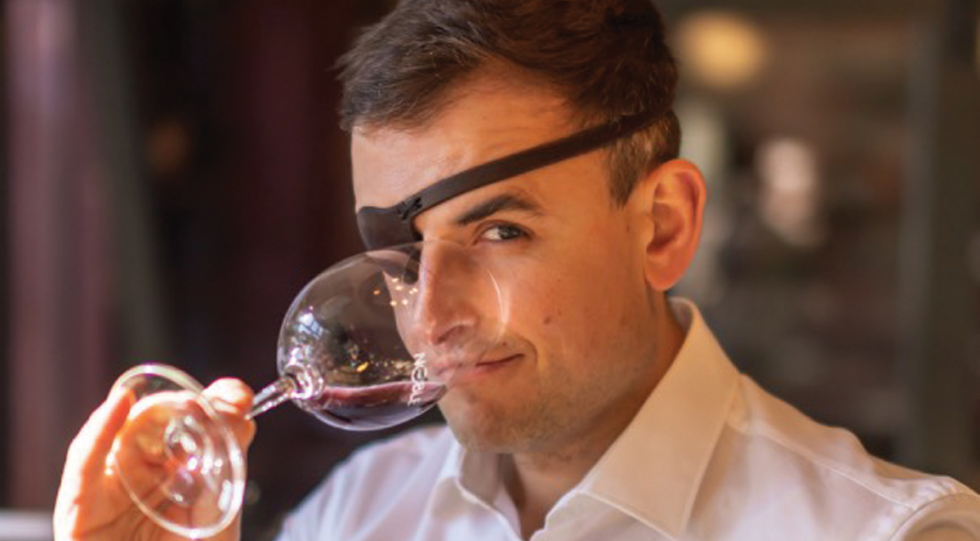

Polish sommelier Maciej Zimny has reported for Star Wine List from his Wellington home since summer 2022, now adding six more Red Stars to our New Zealand guide, in Auckland, Hawke’s Bay and Christchurch. He tells us why by-the-glass selections and classic names suit today’s more economically cautious diners, and why it’s important for sommeliers to keep wine “approachable and joyful rather than intimidating.”
Maciej Zimny lives in central Wellington, which he says is “a fantastic place for wine lovers” thanks to both a “vibrant hospitality culture with many excellent places to enjoy a glass of wine” in the city itself, and its proximity to “world-class wine regions” Wairarapa, further north, and Marlborough, to the south.
A Certified Sommelier and former New Zealand Sommelier of the Year (2015), Maciej owns and runs Wellington’s Noble Rot Wine Bar and Noble Wines Fine Wine Suppliers. In this guise, he has witnessed the wine scene’s evolution post-COVID, when “people were buying better bottles and exploring wine privately” before coming back into the world with a taste for finer things: “we sold more Champagne in that first reopening period than at any time in our history,” he says. Now, however, the subsequent recession has altered consumer habits once again – in hospitality more than ever – and people are notably tentative about braving new, or particularly expensive, bottles.
“High-end dining experiences have been placed on hold for many people,” says Maciej, “and there has also been a noticeable migration of New Zealanders – particularly younger professionals – to Australia and other markets. What we see today is a more thoughtful approach to wine consumption. Guests are leaning towards wines they know and trust, while still maintaining curiosity. Exploration is often happening through wines by the glass rather than committing to full bottles. Despite the economic pressure, some stylistic trends have remained strong: skin-contact wines, for example, have firmly established themselves as a regular and expected part of many wine lists.
“Another fascinating development is the generational shift among winemakers. Many established winemakers who spent decades crafting wines for large estates are now launching their own personal labels. Examples include Paul Mason in Martinborough with Hidden Vineyard, producing outstanding Pinot Noir from the Te Muna Valley; Chris Scott, the legendary Church Road winemaker, who has recently launched a range of premium Hawke’s Bay Chardonnays; and Helen Masters of Ata Rangi, who has introduced the ‘Masters’ single-vineyard wines into the range from her own estate.
“All of this points toward a deeper focus on individual expression, terroir and personal interpretation. These winemakers are now expressing their own voice after years of making wine for others. It feels like a natural generational evolution in New Zealand wine – and an exciting one.”
Maciej’s new Red Stars
Alma, Auckland
Bare Wines, Auckland
Central Fire Station Bistro, Napier
Gilt Brasserie, Auckland
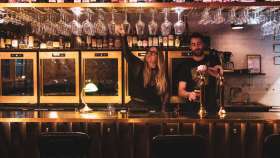
Ground Wine Bar, Auckland
Odeon, Christchurch
What trends are you noticing on wine lists right now?
“One clear trend is the effort to make wine lists easier to navigate. Many lists are now structured either by grape variety or by stylistic categories – for example “fresh and aromatic”, “savoury classics”, or “bold and structured”. This helps guests make confident choices without needing deep wine knowledge.
“At the same time, there remains strong demand for minimal-intervention and “natural” wines, particularly in more progressive venues. Skin-contact whites, lighter reds and fresher styles with lower alcohol continue to attract interest.
“That said, many restaurants are also returning to a more classical framework. There is a renewed appreciation for benchmark regions and established producers, which provide guests with familiarity and confidence, especially in a more cautious economic climate.”
What are you looking for in a Red Star venue?
“For me, a Red Star venue represents a place where wine is treated with genuine respect and understanding. It is not necessarily about the size of the list or the presence of rare bottles, but rather about the clarity of the vision behind it. A great Red Star venue will show thoughtful curation, a clear point of view and balance between classic producers and exciting discoveries. I also value lists that reflect a sense of place – whether that means supporting local producers or expressing the personality of the venue.
“Equally important is service. A knowledgeable and enthusiastic team can transform a good list into a memorable experience. Wine should feel approachable and joyful rather than intimidating.”
Is there any one section of a wine list you make a beeline for when you sit down in a restaurant?
“I often gravitate toward the “classic regions” or “producer selections” section of a wine list. Personally, I have a soft spot for Burgundy. I tend to look for thoughtful selections of producers rather than simply the most famous names; discovering domaines that deliver excellent quality and terroir expression while maintaining a sensible price-to-quality ratio is always exciting.”
Do you have any pet hates on wine lists or in wine service?
“My biggest frustration is when wines listed are actually out of stock, or when the vintage on the list differs from the bottle being served. Aside from that I’m generally quite relaxed. Wine should be enjoyable and hospitality should feel welcoming. One detail I do appreciate, however, is proper serving temperature – it makes a remarkable difference and is often overlooked.”
You’ve listed Red Stars in Auckland, Christchurch and Hawke’s Bay – how do the wine scenes vary between the regions?
“Auckland naturally offers the broadest perspective. As New Zealand’s largest city it attracts an international clientele and supports a wide diversity of restaurants and wine programmes. Christchurch and Hawke’s Bay, on the other hand, often have a stronger connection to their surrounding regions – many venues there showcase local producers prominently, which creates a wonderful sense of identity and regional pride.
“Both approaches have their charm: Auckland for its diversity and global outlook, and Christchurch and Hawke’s Bay for their close relationship with local wine culture.”
Do you have any particular favourites amongst your new selection?
“To be honest, I don’t really have favourites. Each venue stands out for its own personality. Gilt Brasserie is vibrant and energetic – a modern brasserie with great momentum. Ground Wine Bar feels like a hidden gem: quiet, cosy and warmly welcoming. Bare Wine offers a relaxed, friendly atmosphere with a strong focus on minimal-intervention wines. Alma has wonderful Mediterranean energy, with sherry and vermouth playing an important role. And Central Fire Station Bistro is a great neighbourhood bistro with a solid and thoughtful local wine selection. Each place contributes something different to the New Zealand wine scene.
What are you up to at the moment – any exciting projects or plans?
“It has been a busy time. Alongside running Noble Rot Wine Bar day-to-day, last year my partner Jessica Wood and I acquired two additional businesses. The first is Truffle Wine Imports, a boutique wine import company focused on artisanal European producers, particularly grower Champagne. The second is The Wine Safe, a professional wine storage facility that holds a significant number of bottles for private collectors and investors.
“All of this operates alongside Noble Rot, and currently we are working on new websites, systems and the overall shape of the businesses as they evolve. It’s an exciting time.”
Search like a Pro – explore 3,500+ wine lists