

Manuel Negrete adds seven Red Stars in Mexico (where somms have “loosened their ties”)
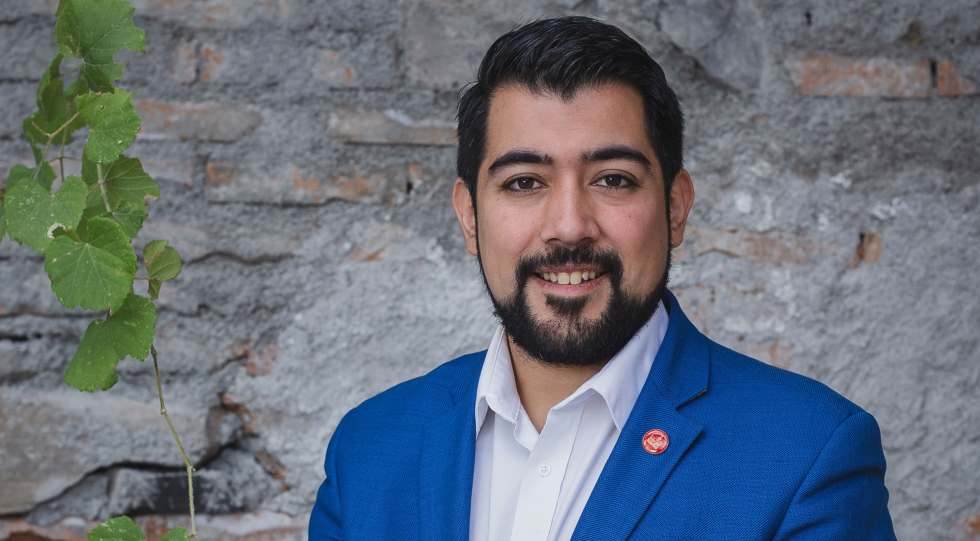

Star Wine List’s Mexico Ambassador has just added seven new Red Stars, located in Guadalajara, Mérida, Querétaro, Toluca and the capital, Mexico City. As the country gears up for a FIFA summer, Manuel Negrete tells us which wines have increased in popularity lately, why de-alcoholised wines don’t “make sense” to him in Mexico, and why spelling mistakes on wine lists are inexcusable.
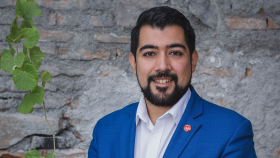
“I genuinely believe that some of the best hospitality service is found in Mexico,” says Manuel Negrete, Star Wine List’s ambassador in the country.
“You can ask anyone who’s been here. People are usually friendly, they try to make you feel at home, and lately the sommelier community in Mexico has come a long way: sommeliers are studying more, attending conferences, seeking certification from ASI, CMS, or WSET; they realise that the more wine you taste – not just to drink it, but to understand it and gain more experience – the better a professional you become.”
Manuel has just added seven new Red Stars to our guide, and his mentions of warm, enthusiastic and engaged sommeliers in his reviews are plentiful.
“In Mexico, you’ll see that over the last 10 years, 90% of us sommeliers have really focused on making wine feel less like a luxury product, even though the high taxes we pay in Mexico (over 40%) generally make wine less accessible – but you always see the willingness.”
He notes the importance of communicating “in a simple and accessible way” to guests, and how “importers in Mexico are increasingly led by young people who know what’s trending and organise much more fun tastings so that sommeliers can get to know their wines. We’ve all loosened our ties and brought more smiles to people's faces!”
Reporting for Star Wine List from his home in Mexico City (“the best city in the world!”) since 2022, Manuel is a Certified Sommelier and ASI Diploma holder who now works for a wine importer. He is eagerly anticipating his next sommelier competition – likely his last – to decide the country’s representative at the forthcoming ASI Best Sommelier of the World contest, in Portugal this October.
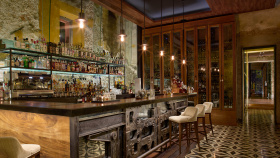
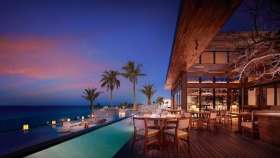
Of his new Red Stars, Manuel confesses a particular soft spot for Lenez in Mexico City (“good selection, good prices, great and friendly staff – a really cool place to hang out”) and Mérida’s Picheta (“it has a beautiful terrace that makes time almost stand still during the sunset”). He’s recently visited the South Tyrol and Friuli-Venezia-Giulia for the first time (“I was blown away”) and has his eye on Priorat and Mendoza next, though he’s been busy enough just making his way across his own country – and would like to make people realise quite how large Mexico is.
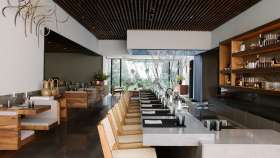
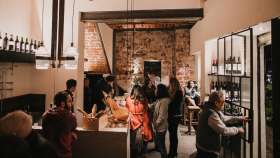
As the country prepares to host some of the FIFA World Cup football games this summer, Manuel offers seven new Red Star venues for wine lovers.
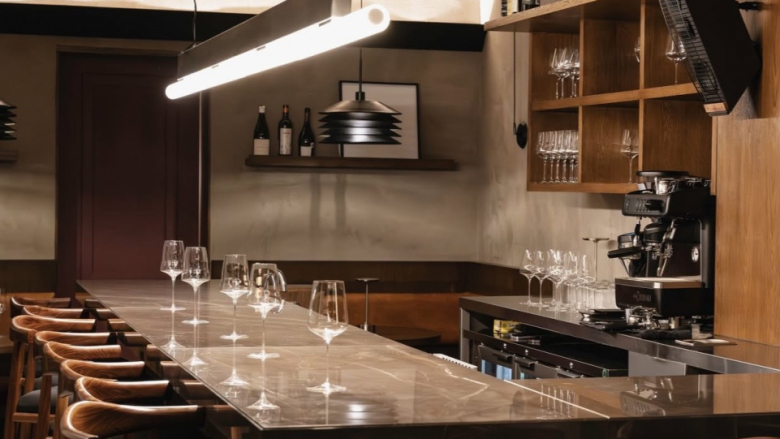
Manuel’s new Red Stars
Hacienda Laborcilla, Querétaro
Lenez, Mexico City
Manarola, Mexico City
Oliva Enoteca, Mérida
Picheta, Mérida
Roothouse, Guadalajara
Uvacava, Toluca
What are the biggest changes you’ve noticed on Mexico’s wine lists over the past year?
“More focus on compact, well-curated lists that make sense. Also, more interest in selecting sustainable projects and, more recently, more options around ciders and local producers that are not the classical ones. Austrian wine and Moldovan wine have been very popular in the last couple of years.”
Last year, you mentioned natural, low-intervention, and no-/lo- wines increasing in prominence – is that still the case, or has the trend slowed at all?
“I think it has already found its small place within the wine lists – enough for them to be a common thing to see within lists or even not at the list but something you could ask as a non-listed option.
“It is much more popular at beaches, since a lot of worldwide visitors come to our beaches to spend winter, spring break, summer break or even the last part of the year looking for warm places to hang, but cool alternatives to sip.”
And what do you, personally, feel about it?
“For me, it is really about having options for the people to enjoy. Personally, in Mexico we have so many options of natural fruit water, that drinking something that has been de-alcoholised makes no sense to me, but I also see the point of being able to offer options suitable for many mindsets. For example, de-alcoholised spirits: for me, if you remove alcohol from spirits, then, what do you have? Flavoured water! I know it is much more complex and not as simple as that, but the essence for me is that. So I’d rather have a nice glass of horchata, agua de chaya or guanábana, than having a product that has been put through a process that removes part of its essence.
“But don’t get me wrong – I also sell them because there’s a market for them, and everyone should be able to decide for themselves what they want to drink; the option should be available.
“Regarding natural and low intervention, I always say: if the wine is good, then being natural or low intervention is a beautiful extra. We want to recommend delicious sips to our family, friends and guests – that’s the most important [thing].”
What are you looking for in a low- or no-alcohol offering?
“Diversity: mocktails, no/low wines, sparkling tea (it has been very popular lately), tea based cocktails, etc.”
Do you have any pet hates on wine lists, or in service?
“Yes: spelling mistakes on wine lists. Come on, you can double check the name in the label. It happens mainly with German and Austrian wines, but I think now we don’t have any excuses – you are as far as a three-second web browse to check if you got it right. And in service, seeing any plates or glasses that are not being used that are still at the table, this one really triggers me.”
Is there any one section of a wine list you make a beeline for when you sit down?
“Options by the glass: how many, if it’s focused only on white/ or red, or if we have also sparkling, rosé, dessert, or even Sake. I think it says a lot about the approach you take when putting together your drink menu and options, and that can make all the difference – especially, for example, when you’re out on your own and want to have fun but can’t drink three bottles by yourself; that’s when it becomes much more important.”
How can a restaurant or bar impress you?
“The drink selection really needs to align with the venue’s philosophy – and, above all, be accompanied by excellent service. These days, it’s hard to find people who convey a passion for service. I think it’s become increasingly difficult worldwide to find staff who feel motivated and don’t want to move on to something else in two months. So, well-trained, friendly staff who aren’t just there to take your order, but who make recommendations and create an experience for you using what they have available.”
Whereabouts in Mexico do you live? How is it for wine?
“I live in the best city in the world, Mexico City. Here you can find everything: museums, parks, stadiums, concerts, history, and above all, great food and drink. Shortly before the pandemic – and even more so with COVID – the city was filled with foreigners. We see this as a double-edged sword, as certain areas of the city have become quite gentrified, just like in many major cities around the world; that very same trend has caused the food scene to flourish and become a melting pot where many cultures coexist.
“In the same neighbourhood, you can find a specialty coffee shop, a Thai restaurant, a Lebanese restaurant, a natural wine bar, a fine-dining restaurant with French-style service, and a vegan grocery store. If we apply this to wine, you’ll find sparkling wines from Tasmania, País from Chile, Mavrud from Bulgaria, Saperavi from Moldova, Aligoté from Burgundy, Trousseau Gris from Oregon, Chianti Classico Gran Selezione, old-vine Riesling Spätlese from 1995, and so many surprises!
“But not only wine – you may find classic wine service, spots focused on natural or low-intervention wines, cider bars, mead bars, and pulque bars (pulque is a traditional Mexican fermented drink made from agave sap – slightly sour and mildly alcoholic, with a thick, almost milky texture), and don’t get me started with Mexican spirits (Tequila, Mezcal, Sotol, Raicilla, Pox, Bacanora, Avila, Tuxca, Comiteco, Lechuguilla, Charanda, Refino).
“As I’ve said before, you can’t get bored in Mexico City! However, the price you pay is the traffic of a city home to nearly 10 million people, which during the day welcomes workers from the surrounding metropolitan area, reaching 23 million during working hours. So I think it’ll be quite busy and interesting for international visitors during the FIFA World Cup next June…”
Where are you travelling to next and why?
“Mainly within my own country – I currently work for an importer so I get to visit many parts of the country. For example, I recently visited Colima, one of the states I’d never been to before, and discovered a community of passionate wine lovers, delicious food, and truly affordable prices. There’s a guy there named Francisco Morett who has led a revolution around wine as something simple and cool – something you don’t see much of in Mexico outside of the big cities. But now you see more of those examples and Mexico is quite big, so there are plenty of places with great wine lists waiting to be discovered!”
What’s new for you – any exciting projects or plans?
“As I mentioned, I’m now working with an importer, so I’ll be selecting wines mainly from Austria, Germany, and France – with a few surprises thrown in! And in the coming months, the National Sommelier Competition will take place to choose Mexico’s representative for the ASI Best Sommelier of the World in Lisbon, so we’ll see what the competition has in store for us. I love competing, but this will likely be my last time doing so, so I’m determined to win it.”
Search like a Pro – explore 3,500+ wine lists